Tactile Graphics for Museums
Museums and cultural institutions are continually expanding accessibility to create more inclusive experiences for all visitors. Tactile graphics help make visual information accessible by allowing maps, illustrations, artwork, diagrams, and exhibit materials to be explored through touch.
Whether incorporated into permanent galleries, temporary exhibitions, educational programs, or visitor resources, tactile graphics provide another way for people who are blind or visually impaired to engage with museum collections and interpretive content.
This article explores how tactile graphics are used in museums and cultural institutions. It does not establish museum accessibility standards or replace guidance from accessibility professionals, exhibit designers, or organizations specializing in inclusive museum experiences.
Creating More Accessible Museum Experiences
Museum exhibits often depend heavily on visual communication. Artwork, historical artifacts, scientific displays, architectural drawings, photographs, maps, and diagrams all present information that may benefit from tactile interpretation.
Tactile graphics allow selected visual content to be reproduced in a format that visitors can explore through touch while complementing braille, audio guides, verbal interpretation, and other accessibility resources.
Tactile Exhibit Graphics
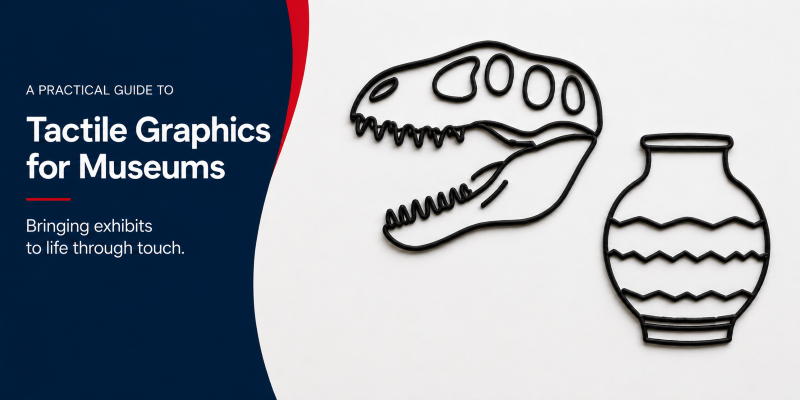
Many museums incorporate tactile graphics alongside exhibits to help explain objects that cannot be handled directly. These graphics may represent artwork, artifacts, archaeological discoveries, fossils, machinery, historical documents, architectural details, or scientific concepts.
Rather than replacing the original exhibit, tactile graphics provide an additional method for understanding visual information and improving accessibility for a wider audience.
Accessible Maps and Visitor Orientation
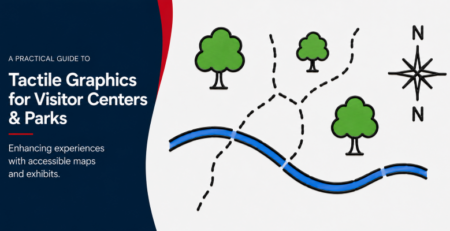
Museum maps are another common application for tactile graphics. Raised maps can help visitors understand gallery layouts, exhibit locations, entrances, exits, visitor services, and building orientation before exploring the museum.
Tactile maps may also be used for:
- Temporary exhibitions
- Special events
- Historic sites
- Outdoor museums
- Visitor centers
- Botanical gardens and cultural campuses
These resources can complement traditional printed maps and digital navigation tools while improving accessibility for visitors with visual impairments.
Educational Programs
Museums frequently develop educational materials for school groups, community organizations, and public programs. Tactile graphics can support these activities by making illustrations, diagrams, timelines, maps, and exhibit information more accessible during guided tours and educational workshops.
Because many educational materials are updated regularly, museums often benefit from producing tactile graphics on demand using Swell Touch paper processed through a Swell Form Machine.
Temporary Exhibitions
Special exhibitions often require new interpretive materials that remain in use for only a limited time. Heat-activated tactile graphics allow museums to produce accessible materials efficiently while updating or replacing content as exhibits change.
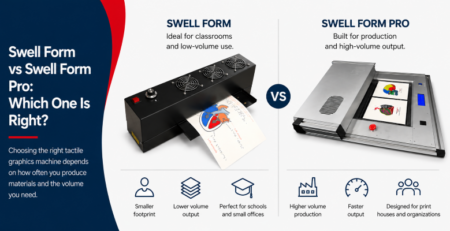
Organizations producing larger quantities of exhibit materials or educational handouts may also consider the Swell Form Pro Machine when higher production capacity is needed.
Interactive Learning
Many museums encourage visitors to explore exhibits through multiple forms of interaction. Tactile graphics can contribute to this experience by providing raised illustrations, diagrams, and educational materials that encourage active exploration through touch.
For workshops, family programs, or educational activities where graphics are created by hand, Swell Touch Markers can be used to draw directly onto Swell Touch paper before processing through a Swell Form Machine.
Supporting Accessibility Goals
Museums today often incorporate accessibility into exhibit planning from the earliest stages of development. Tactile graphics may form one part of a broader accessibility strategy that also includes braille, audio description, captioning, accessible digital content, physical accessibility, and inclusive educational programming.
The selection and design of tactile materials should always be guided by qualified accessibility professionals and the specific goals of each exhibit.
Producing Tactile Graphics for Museums
Many museums create tactile graphics using heat-activated Swell Touch paper. Printed or hand-drawn black areas expand when processed through a Swell Form Machine, creating raised tactile graphics while preserving color for sighted users.
This allows museums to produce exhibit materials, visitor resources, educational graphics, and maps quickly while maintaining consistent tactile quality.
To learn more about the technology, visit What Is Swell Touch Paper?, What Is a Swell Form Machine?, and Applications of Tactile Graphics.
Zychem’s Role
Zychem manufactures the equipment and materials used to produce heat-activated tactile graphics, including Swell Touch paper, the Swell Form Machine, the Swell Form Pro Machine, and Swell Touch Markers.
While Zychem supplies the technology used by museums and accessibility organizations worldwide, decisions regarding exhibit design, accessibility standards, and visitor experience should be made by qualified museum professionals and accessibility specialists.
Conclusion
Tactile graphics help museums create more inclusive experiences by making visual information accessible through touch. From exhibit graphics and visitor maps to educational materials and temporary exhibitions, tactile graphics provide another way for visitors who are blind or visually impaired to engage with collections and interpretive content.
As museums continue expanding accessibility, dependable tactile graphics technology supports the creation of high-quality materials that can be produced efficiently while adapting to changing exhibits and educational programs.