What Is Kinesthetic Learning?
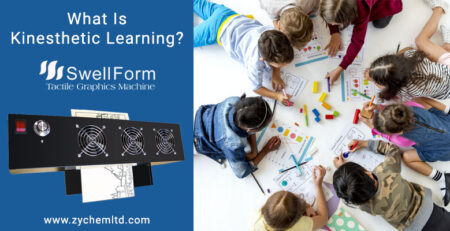
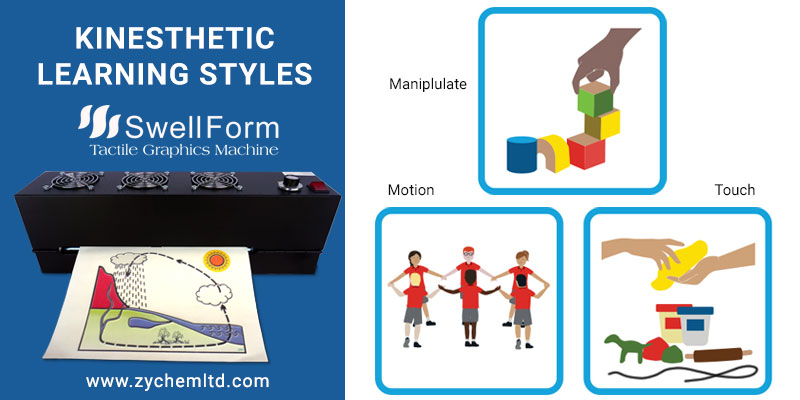
Kinesthetic learning is a learning style that involves physical movement, touch, and active engagement. It includes three closely related elements: tactile learning, proprioceptive learning, and movement-based learning.
While these elements often work together, they support learning in different ways. Understanding how they interact is especially important when developing effective teaching strategies and accessible learning materials.
Tactile Learning as Part of Kinesthetic Learning
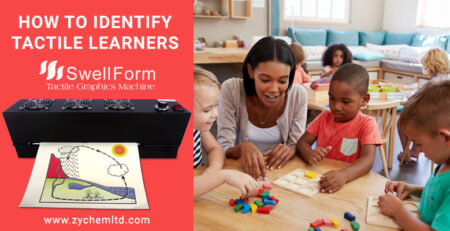
Tactile learning is a subset of kinesthetic learning that focuses specifically on touch and physical interaction with objects or materials.
Tactile learners benefit from using their hands to explore textures, shapes, and physical properties. This hands-on approach improves understanding, engagement, and memory.
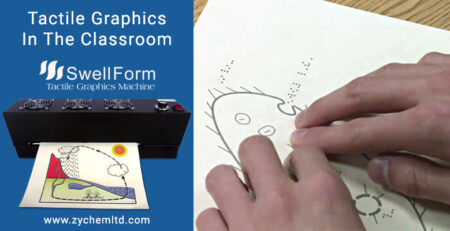
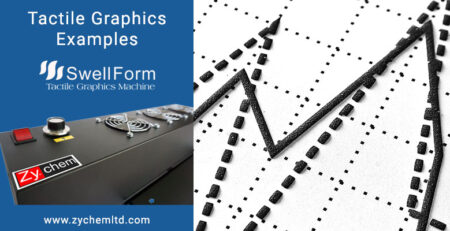
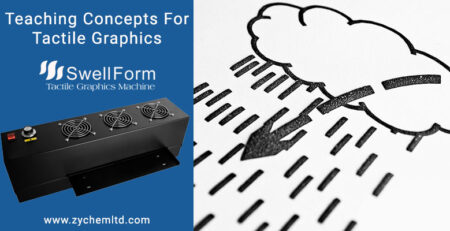
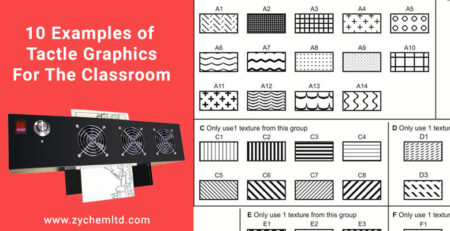
In many educational settings, tactile graphics play a key role by allowing information such as maps, charts, and educational content to be understood through touch instead of sight.
Proprioceptive Learning
Proprioceptive learning relates to body awareness, spatial perception, and balance.
Learners who benefit from proprioceptive input rely on movement and physical positioning to better understand concepts. Activities involving motion, resistance, and coordination can strengthen comprehension and retention.
Movement-Based Learning
Movement-based learning focuses on physical activity as part of the learning process.
This can include walking, building, manipulating objects, or engaging in interactive exercises. These approaches help reinforce concepts by connecting physical action with learning.
Why Tactile Learning Matters for the Visually Impaired
Tactile learning is essential for individuals who are blind or visually impaired because it provides direct access to information through touch.
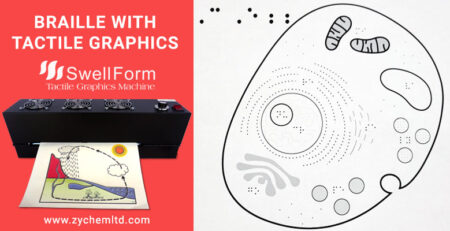
Using tactile graphics, students can explore shapes, spatial relationships, and structured information in a way that replaces visual input with physical understanding.
To create these materials efficiently, many educators rely on swell paper, which allows printed or hand-drawn graphics to be transformed into raised tactile graphics quickly and consistently.
Creating Tactile Graphics for Kinesthetic Learning
For tactile learning to be effective, educators need reliable ways to produce high-quality tactile graphics.
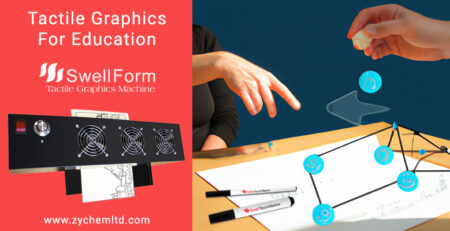
Using Swell Touch paper, educators can print or draw graphics and convert them into tactile materials almost instantly. When paired with a Swell Form machine, this process becomes fast, consistent, and scalable for classroom use.
This combination eliminates the need for time-consuming manual methods and allows schools to produce tactile graphics on demand.
Supporting Tactile Learning in the Classroom
Educators can support kinesthetic and tactile learners by incorporating tools that encourage touch, movement, and interaction.
Effective tools include:
Tactile graphics
Hands-on manipulatives
Physical models
Textured maps and graphics
Swell Touch paper for creating tactile graphics using swell paper
Swell Form machines for fast, consistent production of tactile graphics
These tools make it easier to adapt lessons for different learning styles while improving accessibility.
Kinesthetic Learning for Sighted and Visually Impaired Students
Kinesthetic learning benefits both sighted and visually impaired students, but the emphasis may differ.
Sighted learners often benefit from a combination of movement and touch. Visually impaired learners rely more heavily on tactile learning as a primary way to access information.
Providing the right tools ensures that all students can engage with content effectively.
Conclusion
Kinesthetic learning includes tactile, proprioceptive, and movement-based learning, all of which support deeper understanding and engagement.
Tactile learning plays a particularly important role in accessible education. By combining effective teaching strategies with tools like tactile graphics, swell paper, and Swell Form machines, educators can create more inclusive and impactful learning experiences.