How Tactile Graphics Are Used in the Classroom
Tactile graphics are representations of information designed to be explored through touch rather than sight. They are widely used in educational settings to help students who are blind or visually impaired access the same information that sighted students receive through visual materials.
By using tactile graphics in the classroom, educators can present complex concepts in a way that is accessible, engaging, and easier to understand.
There are several ways tactile graphics can be effectively used in teaching.
Tactile Graphics in Textbooks
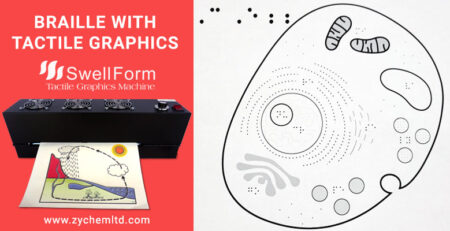
Many braille textbooks include tactile graphics to make visual content accessible.
These tactile graphics allow students to explore illustrations, structures, and relationships through touch, providing important context that complements braille text. This combination helps improve comprehension and creates a more complete learning experience.
Manipulatives and Hands-On Learning
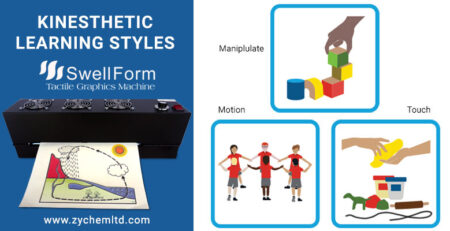
Tangible objects and hands-on materials are often used alongside tactile graphics to reinforce learning.
Students can interact with physical objects while also exploring tactile graphics that represent similar concepts. This dual approach helps strengthen understanding in subjects such as math, science, and geography.
Graphs, Charts, and Data
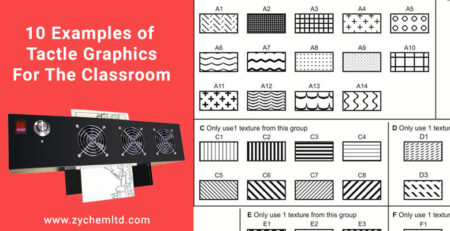
Tactile graphics can be used to represent charts, graphs, and other forms of data.
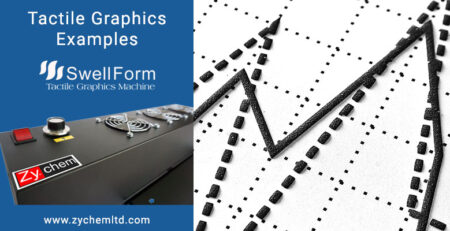
By feeling raised lines, shapes, and patterns, students can interpret trends, compare values, and analyze relationships in a way that would otherwise require visual input.
Supporting Hands-On Activities
Hands-on activities such as building models or conducting experiments can be enhanced with tactile graphics.
For example, a tactile graphic can provide a structured reference that supports a physical activity, helping students better understand what they are building or observing.
Why Tactile Graphics Are Important
Tactile graphics are an essential tool for inclusive education.
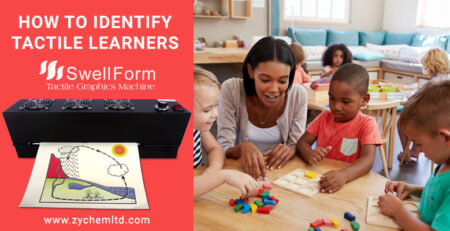
They allow students with visual impairments to access information independently while also benefiting sighted students by reinforcing concepts through touch. This makes them valuable for supporting a wide range of learning styles in the same classroom.
Creating Tactile Graphics for the Classroom
One of the most efficient ways to produce tactile graphics is by using swell paper.
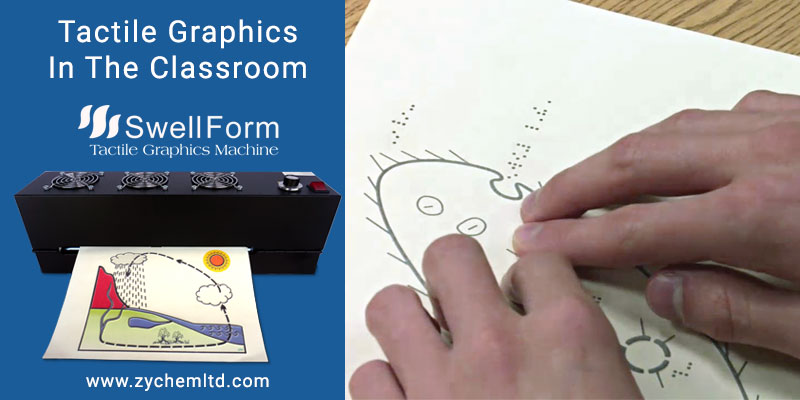
Educators can print designs onto Swell Touch paper and process them through a Swell Form machine, where the printed areas expand to create raised tactile graphics.
This process allows teachers to create high-quality materials quickly and consistently, making it practical for everyday classroom use.
To further support lesson development, the Tactile Library offers thousands of pre-made tactile graphics that can be downloaded and used directly.
Conclusion
Tactile graphics are a powerful tool for making education more accessible and engaging.
By incorporating tactile graphics, swell paper, and Swell Form machines, educators can create effective learning experiences that support both visually impaired and sighted students.