How to Identify a Tactile Learner
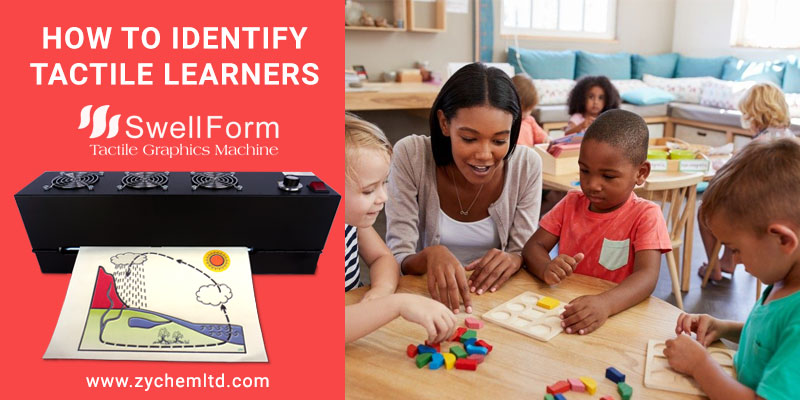
Teachers and parents can identify a tactile learner by observing how a student interacts with their environment, both in the classroom and during play.
Tactile learners understand and retain information best through touch and hands-on experiences. This is especially important for individuals who are blind or visually impaired, who often rely on tactile learning and tactile graphics to access and interpret information.
While some students naturally gravitate toward tactile learning, visually impaired learners may depend on it as a primary method of understanding the world around them.
Key Signs of a Tactile Learner
Below are common indicators that can help identify tactile learners, particularly those without a visual impairment:
1. Thrives in Hands-On Activities
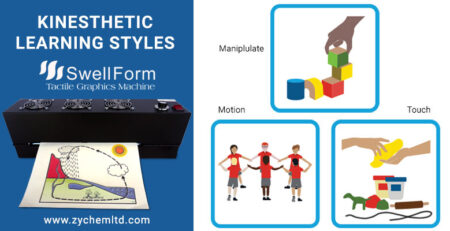
Tactile learners excel in activities that involve physical interaction, such as experiments, art projects, or building models. They are most engaged when they can touch and manipulate materials.
2. Applies Excessive Pressure When Writing
They may press hard when writing or drawing, seeking sensory feedback from the writing process.
3. Learns Better Through Writing
Taking notes by hand helps tactile learners process and retain information more effectively than passive listening or reading.
4. Fidgets or Manipulates Objects
They often use fidget tools, handle small objects, or move frequently. These actions help maintain focus and support learning.
5. Enjoys Puzzles and Spatial Activities
Tactile learners are often drawn to puzzles, mazes, and hands-on problem-solving activities that require physical interaction.
6. Prefers Learning by Doing
They may skip written or verbal instructions and instead jump directly into tasks, learning through trial and error.
7. Needs Movement and Breaks
Extended periods of sitting can reduce focus. Regular movement helps maintain engagement and comprehension.
8. Struggles with Verbal-Only Instructions
Tactile learners benefit from visual and physical cues, and may struggle when information is presented only verbally.
Why Tactile Learning Matters
Tactile learning plays a critical role in education, especially for students who are blind or visually impaired.
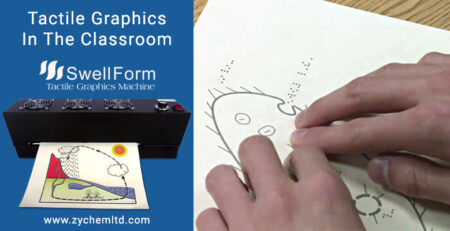
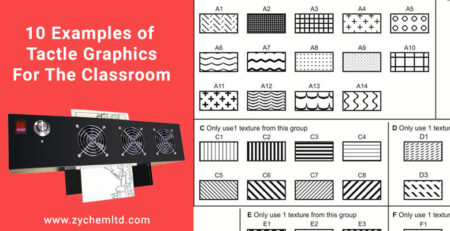
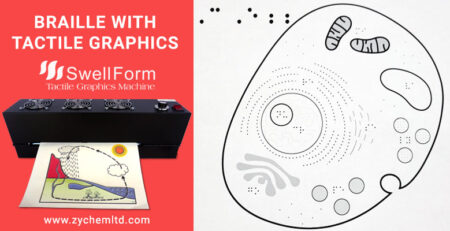
Tools such as tactile graphics allow complex information—like maps, charts, and educational graphics—to be understood through touch. These methods make learning more accessible, engaging, and effective.
Learn more about tactile graphics and how they support accessible education.
Tools That Support Tactile Learners
Supporting tactile learners requires the right tools and materials.
Common solutions include:
- Tactile graphics and raised-line drawings
- Hands-on learning kits and manipulatives
- Textured maps and graphics
- Interactive learning materials
- Swell paper for creating tactile graphics on demand
Explore how swell paper is used to create tactile graphics quickly and efficiently.
Conclusion
Identifying a tactile learner allows educators and parents to adapt teaching strategies for better engagement and understanding. By incorporating hands-on methods and tools like tactile graphics and swell paper, learning becomes more accessible and effective for all students—especially those who rely on touch to learn.